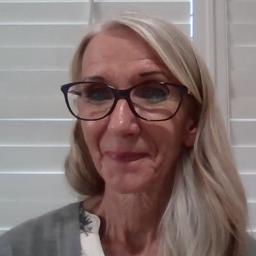
Dr. Deborah Kay Thompson, LMFT
Warm, goal-focused therapy for relationship and addiction issues
About Deborah
Dr. Deborah Kay Thompson brings a relationship-focused, practical approach to therapy.
Background and approach
She uses clear, patient conversation to help people untangle anxiety, depression, addiction, and problems in close relationships. Her work emphasizes listening first, then setting doable goals together.
With 23 years of experience in Colorado, she supports people facing life transitions, parenting strain, anger, and issues around intimacy and self‑worth. She also works with concerns such as bipolar mood patterns, ADHD, and the aftermath of trauma and abuse.
Dr. Thompson draws on client-centered methods to keep sessions grounded in each person’s priorities.
She uses cognitive behavioral techniques to identify unhelpful thinking and to practice different behaviors between sessions. Motivational interviewing is part of her style when people are working on changing habits or substance use.
Sessions are conversational and goal-oriented. She helps people set small, measurable steps and checks progress each visit.
The pace is adjusted to what feels manageable, whether that means focused skill work or longer exploration of past wounds. People often come for relationship concerns, communication problems, codependency, or difficulty coping with big changes.
She pays attention to patterns such as avoidance, control issues, dissociation, and feelings of emptiness or shame. The work aims to improve daily functioning and emotional connection with others.
Therapeutic approaches that translate to online care
Client-centered therapy prioritizes the person’s own goals and experiences. In practice this means the therapist listens closely, follows the client’s lead, and focuses sessions on what matters most to the person seeking help. It works well for relationship concerns, self‑esteem issues, and emotional processing.Cognitive behavioral therapy, or CBT, looks at how thoughts, feelings, and behaviors interact. Online CBT sessions often include short, practical exercises to try between meetings and clear plans for changing unhelpful thinking patterns. This approach is useful for anxiety, depression, and anger management.
Motivational interviewing is a conversational method that helps people find their own reasons to change. It supports work on addictions, substance use, and other habit-based goals by exploring motivation and reducing resistance.
Choosing the right approach is a collaborative process. The therapist will discuss goals, preferences, and what has or hasn’t worked before to recommend techniques that fit. Plans are adjusted over time based on progress and client feedback.
Online formats offer practical benefits. Video calls allow face-to-face conversation and visual cues. Phone sessions can fit into a busy day or work better when internet bandwidth is limited. Live chat and text messaging provide brief check-ins, written coaching, or flexible ways to report progress between sessions. These options make it easier to keep continuity of care and to use therapy in ways that fit everyday life.
Frequently asked questions
What kinds of problems does she help with?
What is her style or approach in therapy?
How much clinical experience does she have?
Where is she based and what are her credentials?
Does she offer sessions in other languages or to international clients?
What session formats are used for therapy?
How is cost handled for sessions?
How do I begin working with her?
Specialties and expertise
Top specialties
- Stress, Anxiety
- Addictions
- Relationship issues
Also works with
- ADHD
- Anger management
- Avoidant personality
- Bipolar disorder
- Codependency
- Communication problems
- Control issues
- Coping with life changes
- Dependent personality
- Depression
- Dissociation
- Divorce and separation
- Domestic violence
- Drug and alcohol addiction
- Emptiness
- Family conflicts
- Guilt and shame
- Impulsivity
- Infidelity
- Intimacy-related issues
- Isolation / loneliness
- Life purpose
- Mood disorders
- Narcissism
- Parenting issues
- Post-traumatic stress
- Self esteem
- Social anxiety and phobia
- Trauma and abuse
Therapeutic approaches
- Experience
- 23 years
- Licensed
- Colorado
- Languages
- English