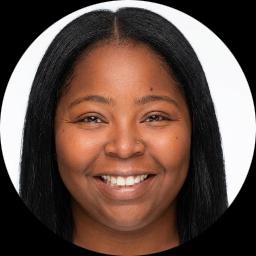
D'schelle Chatman-Singh, LMFT
Practical, culturally aware therapy for life transitions
About D'schelle
D'schelle Chatman-Singh is a licensed marriage and family therapist who focuses on practical tools and steady support. She helps people facing stress, anxiety, depression, grief, relationship concerns, and issues related to self-esteem and intimacy.
Background and approach
She uses straightforward conversations to identify what feels most urgent. Sessions often include goal-setting and hands-on strategies for coping with anger, addiction, sleep problems, career strain, and financial stress.
The aim is to build skills that can be used between appointments. Her work considers how identity and culture shape everyday struggles.
She listens for how discrimination, immigration experiences, or multicultural pressures affect mood and relationships, and she adapts her approach to each person's story. Clients can expect a mix of gentle reflection and active skill practice.
Techniques draw from Acceptance and Commitment Therapy, Cognitive Behavioral Therapy, and mindfulness practices to reduce distress and increase clarity about values and next steps. With seven years of experience, she brings practical experience working with people during life transitions and workplace challenges.
She aims to create an affirming space where people can explore self-love, sexuality, and resilience without judgment. D'schelle practices in California as an LMFT and invites people looking for steady, skills-based support to consider starting a conversation about their goals and concerns.
Using specific approaches in online therapy
D'schelle often draws on Acceptance and Commitment Therapy and Cognitive Behavioral Therapy to guide remote sessions. ACT helps people notice difficult thoughts and choose actions that match their values, which is useful for anxiety, grief, and life changes. CBT focuses on identifying unhelpful thinking and building practical skills to change behavior, which can help with depression, sleep problems, and anger.Choosing the right approach is a team effort. She will talk with each person about goals, preferences, and what feels most useful. Together they try methods for a few sessions and adjust the plan when needed so work stays relevant to daily life.
Online formats include video calls, phone sessions, live chat, and text-based messaging. Video sessions let people use visual cues and longer conversation time. Phone sessions can work when lower bandwidth is needed or a shorter check-in fits a break at work. Live chat and text-based messaging suit brief check-ins, step-by-step exercises, or people who prefer typing over speaking. These options make it easier to fit therapy into busy lives and to continue progress between meetings.
Frequently asked questions
What concerns does she work with?
What is her therapeutic style?
How much clinical experience does she have?
What credentials and region are noted?
Which languages are supported for sessions?
Can people outside the U.S. work with her?
What session formats are available?
How do fees and starting therapy work?
Specialties and expertise
Top specialties
- Addictions
- Anger management
- Self esteem
Also works with
- Antisocial personality
- Blended family issues
- Career difficulties
- Communication problems
- Compassion fatigue
- Coping with life changes
- Coping with natural or human-caused disaster
- Depression
- Family conflicts
- Family problems
- First responder issues
- Grief
- Immigration issues
- Intimacy-related issues
- Midlife crisis
- Money and financial issues
- Mood disorders
- Multicultural concerns
- Paranoia
- Personality disorders
- Prejudice and discrimination
- Self-love
- Sexuality
- Sleeping disorders
- Stress, Anxiety
- Workplace issues
- Young adult issues
Therapeutic approaches
- Experience
- 7 years
- Licensed
- California
- Languages
- English