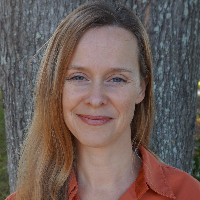
About Betsy
Betsy Narveson is a Licensed Marriage and Family Therapist working in Florida. She guides people who are nervous about starting therapy and focuses on making first steps feel manageable.
Background and approach
Betsy aims to build trust and show genuine concern while helping clients move toward the changes they want to make. Betsy favors straightforward, evidence-informed methods that focus on practical change.
She works collaboratively with each person to set goals and track progress so sessions feel productive. Her style is warm and direct, with an emphasis on what will help most between appointments.
Over six years she has worked in community mental health settings. Her background includes undergraduate and graduate degrees in Psychology and Marriage and Family Therapy from the University of Florida.
That experience exposed her to a wide range of concerns and settings, and she draws on that work when helping new clients. Common issues she helps people address include stress, anxiety, depression, bipolar concerns, and problems with attention or focus such as ADHD.
She also helps with relationship and family difficulties, parenting struggles, intimacy-related issues, anger, career questions, and coping with life changes. Betsy uses approaches such as client-centered therapy, cognitive behavioral techniques, emotionally-focused ideas, motivational interviewing, and solution-focused work.
She encourages people to try practical steps and then adjust the plan based on what is working. Sessions are conversational and goal-oriented to help people see steady progress.
How these approaches work online
Client-centered therapy focuses on listening and building a trusting relationship so clients can clarify what matters most to them. It helps people who need a supportive space to talk through feelings and decisions.Cognitive Behavioral Therapy, or CBT, looks at patterns of thought and behavior and tests small changes to reduce distress. It is useful for anxiety, depression, and stress when someone wants concrete tools and steps to try between sessions.
Emotionally-Focused Therapy helps people identify and change unhelpful emotion-driven patterns in relationships. It is often used when intimacy, attachment, or repeated conflicts are the main concern.
Finding the right approach is a collaborative process. The therapist will talk with the client about goals, preferences, and what has or hasn’t worked before. Together they will try methods that match the issue and adjust the plan as progress is tracked.
Online therapy offers practical benefits for busy lives. Video calls allow face-to-face conversation when seeing body language helps. Phone sessions work well for shorter check-ins or when bandwidth is limited. Live chat and text messaging can be used for brief questions, quick coping strategies, or ongoing support between sessions. These options make scheduling easier and help people maintain consistency with their care.
Frequently asked questions
What issues does this therapist help with?
What is her therapeutic style like?
How much experience does she bring?
What are her credentials and where is she located?
Which languages are supported for sessions?
What session formats are available online?
How does cost and billing work?
How do I begin working with her?
Specialties and expertise
Top specialties
- Stress, Anxiety
- Relationship issues
- Family conflicts
Also works with
- ADHD
- Anger management
- Bipolar disorder
- Career difficulties
- Coping with life changes
- Depression
- Intimacy-related issues
- Parenting issues
- Self esteem
Therapeutic approaches
- Experience
- 6 years
- Licensed
- Florida
- Languages
- English