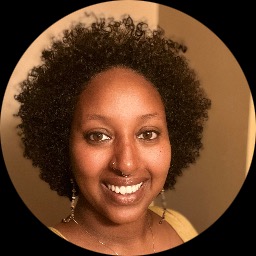
About Amy
Amy Zerai uses practical, evidence-based methods to help people manage stress and anxiety. She is a Licensed Marriage and Family Therapist, and she focuses on building small, usable changes that add up over time.
Background and approach
Amy writes plans to fit each person's needs and meets people where they are. Amy works with concerns such as relationship strain, low self-esteem, depression, and coping with life changes.
She also addresses attachment issues, body image, communication problems, guilt and shame, and social anxiety and phobia. Sessions emphasize clear goals and steps people can try between meetings.
With ten years of experience, Amy draws on straightforward techniques rather than complicated jargon. She aims to make conversations feel direct and compassionate.
Expect practical strategies, gentle reflection, and attention to what is realistic for daily life. Sessions may include talk-based problem solving, guided reflection on patterns, and skills practice for handling stress or tough social moments.
Amy adapts the pace based on each person’s comfort and readiness to try new things. People who reach out are met with respect and sensitivity.
Amy’s approach is collaborative: she listens first, then builds a plan together. The focus is on steady progress and clearer coping skills that can improve day-to-day functioning.
Approaches that translate well to online therapy
Two common, evidence-based approaches used in this practice include structured skills work and pattern-focused reflection. Structured skills work teaches concrete tools for managing stress, anxiety, and social discomfort, such as breathing techniques, behavioral experiments, and step-by-step exposure exercises. Pattern-focused reflection examines how attachment, communication habits, or negative self-beliefs shape reactions, helping people notice patterns and try different responses.Finding the right approach is part of the process. The therapist collaborates with each person to decide which techniques fit their needs, goals, and comfort level. Plans are adjusted over time based on what is helpful and what feels doable.
Online therapy offers flexible ways to connect: video calls for deeper conversation and visual cues, phone sessions when bandwidth or camera use is difficult, live chat for shorter check-ins, and text-based messaging for quick reflections or reminders. These options make it easier to fit therapy into work, family, or school schedules and to use techniques in real-world moments.
Frequently asked questions
What concerns does this therapist help with?
What is the therapy style like?
What professional background does the therapist have?
What credentials and location are listed?
Which languages are supported for sessions?
What session formats are available?
How are costs handled?
How do I begin working with this therapist?
Specialties and expertise
Top specialties
- Stress, Anxiety
- Relationship issues
- Self esteem
Also works with
- Experience
- 10 years
- Licensed
- California
- Languages
- English